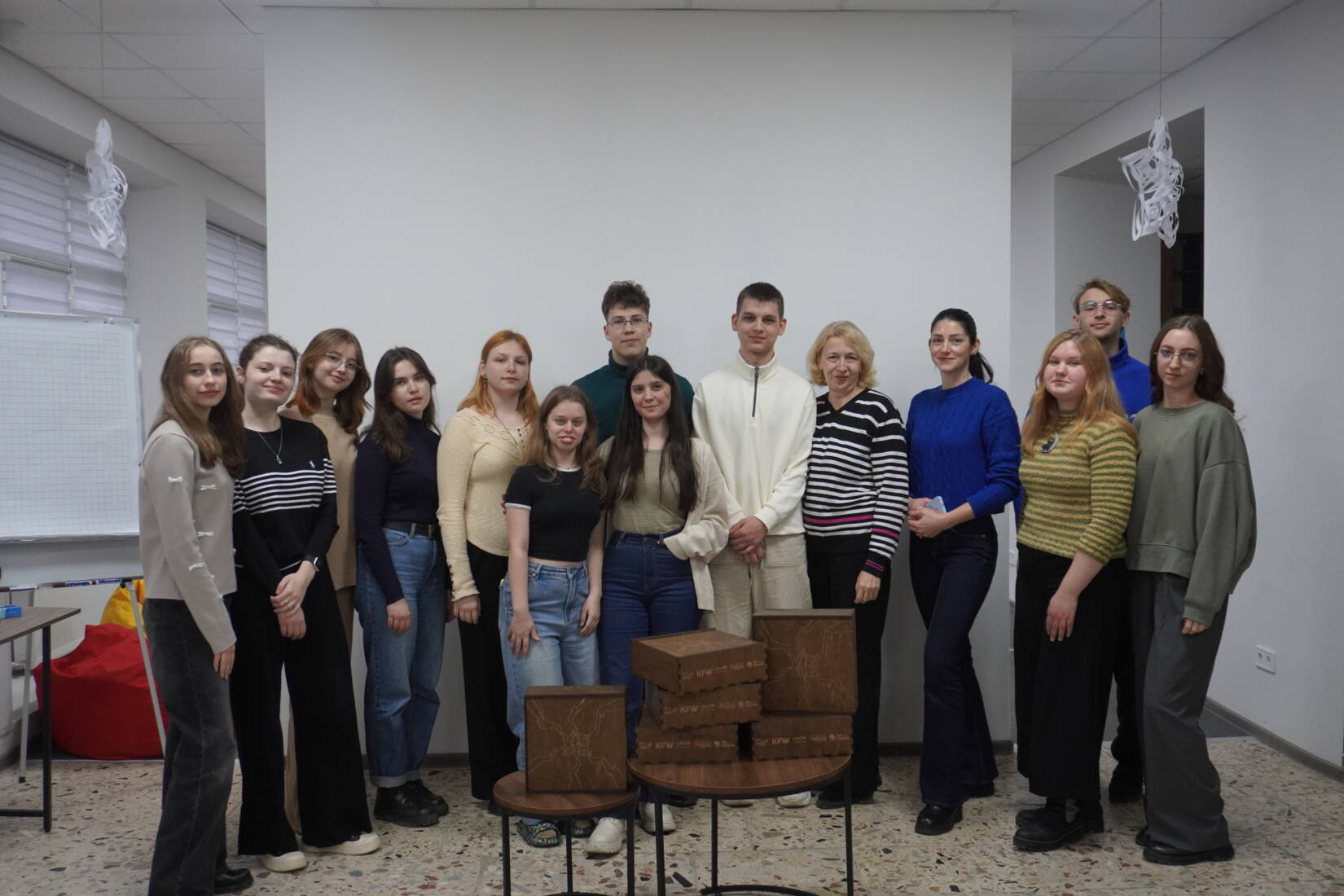
A team of students from Uzhhorod National University has created a board game about Ukraine’s environment—featuring villains, conspiracies, and real-life disasters
Imagine Ukraine on the brink of an environmental collapse. The Carpathians are threatened by landslides, the Black Sea is suffering from oil spills, Polissya is engulfed in peat fires, and cities are shrouded in smog. And now, the catastrophe can be prevented… at a gaming table. This is exactly the idea brought to life by two UzhNU students, Nikita Lisovets and Daryna Yants.
The game was created as part of the “Viridis” project, which was implemented under the Re:Source initiative of the “Teplitsa” Initiative Platform, a non-governmental organization, with support from the German government through the KfW Development Bank and the United Nations Children’s Fund (UNICEF). But behind the formal title lies a personal story, doubts, setbacks, and seven months of intense work.
“We didn’t receive the grant, but we didn’t give up on the idea”
The idea for the game came about in the spring—during the Re:Source training session. The participants had only three days to come up with an eco-project. That’s when the idea of creating a board game emerged—a format that could capture young people’s interest.
“At first, we didn’t secure funding at the hackathon. But our belief in the idea kept us from giving up. Eventually, funding became available—and ‘Viridis’ got the green light,” says Nikita Lisovets, the idea’s creator and project lead.
Together with Daryna Yants, they set about developing the game in earnest. Nikita was in charge of management, finding designers and game mechanics, and overseeing production. Daryna became the game world director—the writer, character designer, and the person who tested the game with real players.
An alternative Ukraine that bears a striking resemblance to the real one
In Viridis, you find yourself in an alternate Ukraine—one on the brink of ecological collapse. But what makes this “alternative” so frightening is that all of the game’s scenarios are based on real events and scientific predictions.
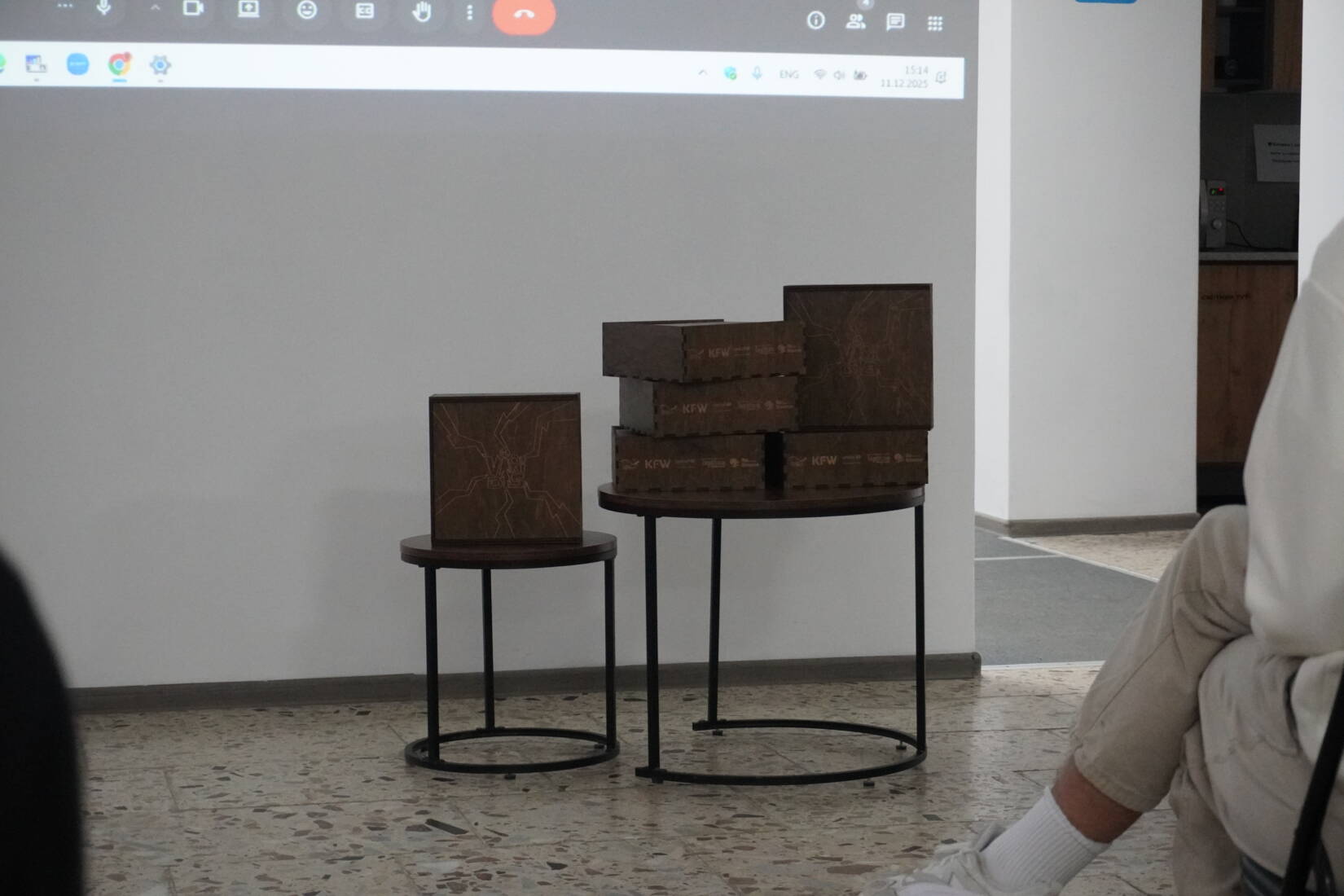 The Carpathians — landslides following deforestation.
Polissya — fires in drained wetlands.
The Black Sea region — oil spills.
Donetsk Oblast — man-made risks.
Kyiv — smog hanging over the city.
And to prevent a catastrophe, players must figure out who they can trust and who remains an antagonist. First, participants choose their roles: ecologist, farmer, activist, journalist, or engineer. Each has their own strengths and weaknesses.
At the heart of the game is the Ecotrack, a scale measuring the state of the environment. If the team brings it down to zero, the country can still be saved. But if, due to betrayal, indifference, or mistakes, the level reaches a critical point—everyone loses.
“You constantly have to ask yourself: who can you trust here? And whose decisions actually save the day, rather than just masking the problem,” say the developers.
Viridis reveals a simple yet painful truth: even good intentions without cooperation can destroy the system.
15 characters—and not a single one is random
The game features 15 unique characters. Each has their own story, personality, and style. Co-developer Daryna Yants was responsible for this.
“We wanted players to do more than just move a piece; we wanted them to feel a connection with their character,” she explains.
It’s easy to see yourself here—in the Teacher fighting for education, or in the Journalist trying to get the truth out even when it’s inconvenient.
A game that continues after the match
After a game, the players don’t just walk away in silence. They discuss, debate, and analyze: where they went wrong, and what they could have done differently.
“It is this moment of reflection that changes the way you think. You see how decisions lead to consequences,” say the authors.
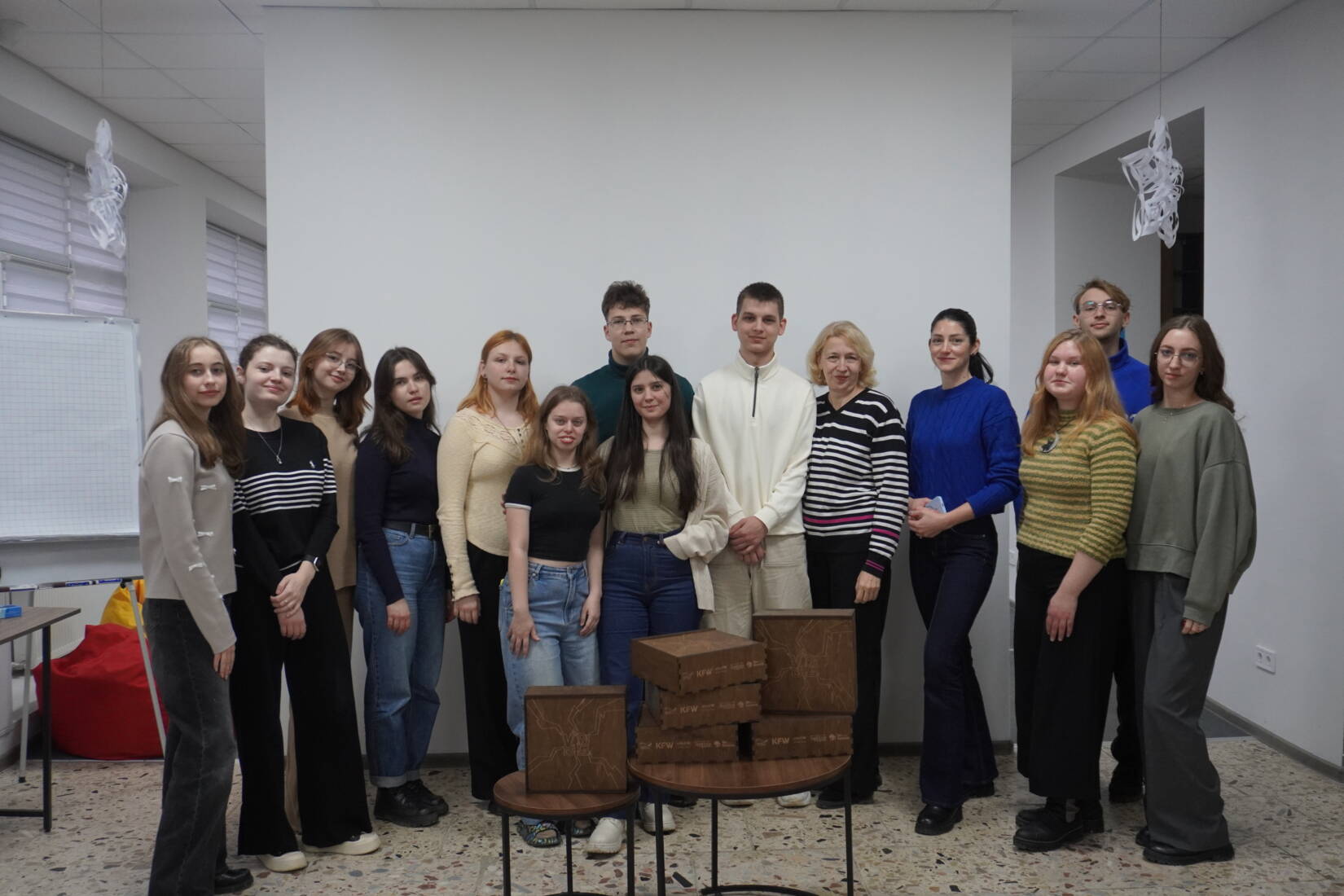 “Viridis” is an example of how a student initiative can become a tool for environmental education. It serves as a reminder that the country’s future—even in a game—depends on whether we are able to work together.
a journalism student